Calendar First, Chair Second: IV Therapy After a Blood Donation
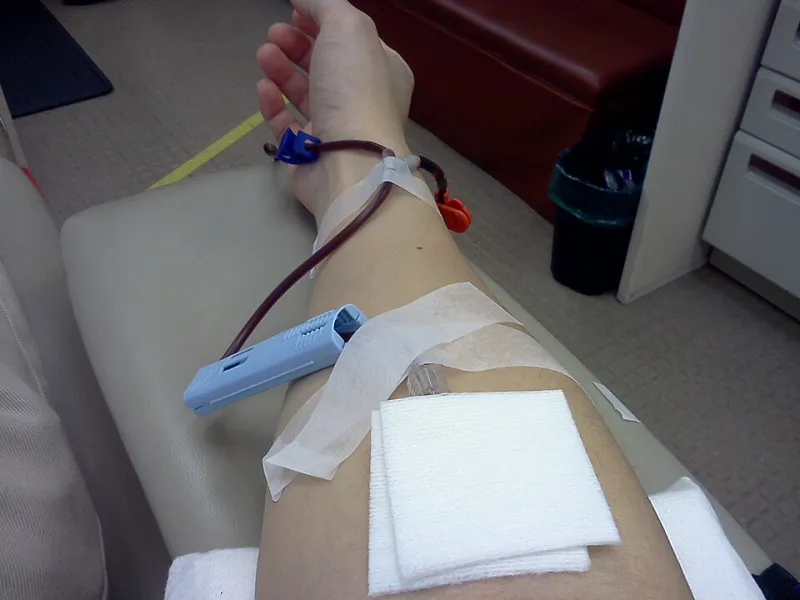
Photo: Wakasui, CC0, via Wikimedia Commons
Blood donation and IV therapy both involve needles, reclining chairs, and a certain do-gooder energy. So it’s easy to see why someone might leave a donation center and think, “I’m already here—why not pop over for a drip?” The logic feels tidy. The body, unfortunately, does not always run on tidy logic.
A wellness drip is not a blood-donation recovery kit. It can’t replace the red blood cells you just gave, and it won’t instantly erase the fluid shifts that happen after a donation. That doesn’t mean you can never pair the two experiences in the same week. It does mean the calendar deserves a second look, and the clinic deserves a heads-up.
Two procedures, two different asks
Whole-blood donation removes red cells, plasma, and platelets. Your plasma volume drops, and your body starts shifting fluid around to compensate. Platelet or plasma donation through apheresis is a different process—some components are returned to you—but it still means time in a chair, fluid shifts, and a vein that has done some work.
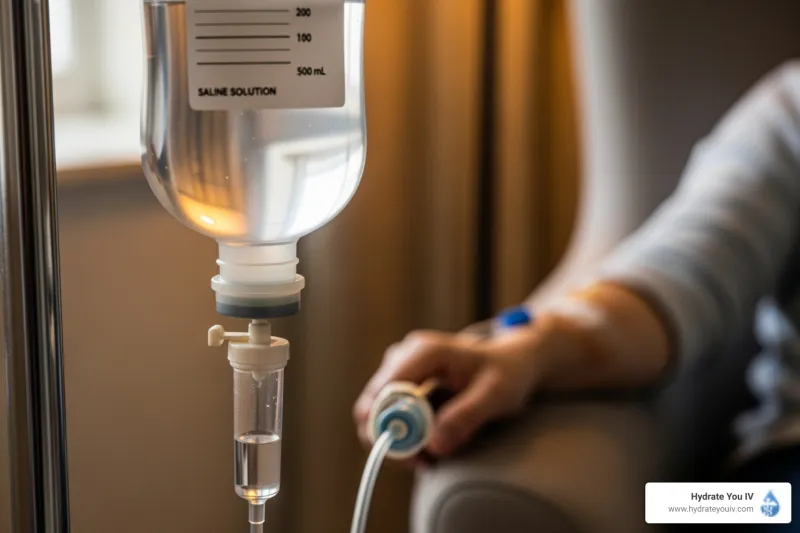
An IV wellness drip typically delivers fluids, vitamins, or minerals. It is not a transfusion. A bag of saline can make you feel less parched, but it does not replace hemoglobin. If your donation left you low on red cells, a vitamin bag is not the fix. That distinction matters because “I gave a pint, so I’ll just grab a drip” treats donation like a minor debit that any infusion can balance. The body is more complicated than a checking account.
The same-day idea, examined
If you donated this morning and feel completely fine, should you keep your drip appointment? Start by calling the clinic. Many IV clinics ask screening questions about recent blood donation, and policies vary. Some may ask you to wait at least 24 hours after whole-blood donation. Others may want longer, especially if you felt woozy or had a rough stick. A good clinic will not shrug at the question.
If you were lightheaded, nauseated, sweaty, or had to lie down after donating, skip the drip and go home. Eat something, drink fluids, and rest. If symptoms continue or get worse, contact the donation center or a medical professional. And do not drive yourself to an IV appointment while you still feel off. The parking lot is not the place to discover that standing up was a bad idea.
What donation does to the chair
The arm used for donation may be tender, bruised, or swollen. Tell the IV clinic which arm was used and how it feels. They may choose the other arm, or they may decide today is not the day. A bruise is not a crisis, but it is information.
Hydration matters too. Donation centers usually tell donors to drink extra fluids and eat before and after giving blood. If you skipped breakfast and went straight from the donation table to the drip bar, you are stacking dehydration, low blood sugar, and a needle. That’s a recipe for a gray-faced moment in the recliner.
Blood pressure can also dip after donation, and sitting still in a warm chair can make lightheadedness more noticeable. Then there’s the simple fact that your vein has already been used. Repeat sticks happen, but they are not a fun bonus feature.
What to tell the clinic before you book
Be specific when you call or book online. Say what kind of donation you made—whole blood, platelets, or plasma—and when. Mention how you felt afterward. If you had cold sweats, nausea, dizziness, or a lingering headache, say so. If the donation site is bruised or tender, say that too.
Also mention whether you have eaten, how much water you’ve had, and any medications or health conditions that might affect hydration or bleeding. If you have a history of fainting with needles, that belongs in the conversation. It is not embarrassing; it is useful.
Ask the clinic directly: “How long do you prefer between a whole-blood donation and an IV drip?” If they say to come in immediately, ask why. A clinic that thinks about donor recovery will give you a real answer, not a shrug and a menu.
When postponing is the clearer choice
Postpone the appointment if you are still dizzy, nauseated, weak, short of breath, or feeling your heart race. Postpone if the donation site is actively bleeding, swelling, or bruising widely. Postpone if you have a fever or feel like you’re coming down with something. And postpone if you haven’t eaten or drank enough to feel steady on your feet.
If you donated platelets or plasma and feel fine, the clinic may still clear you after food and fluids. But let them make that call with full information. “I donated this morning” is not a complete sentence for a medical screening. The type of donation, the time, and your symptoms all matter.
A saner calendar
Think of blood donation and elective IV therapy as two appointments that deserve breathing room. If you are a regular donor, plan drips away from donation days rather than treating them as a package deal. If you have a drip scheduled and then decide to donate, tell the clinic before you show up. And do not use a drip as permission to skip the snack and water bottle your donation center recommended.
There is no universal rule that fits every person and every clinic. But the safe default is simple: call ahead, tell the truth about how you feel, and be willing to move the appointment. The best drip is the one that doesn’t compete with your body’s recovery from giving blood.