Cheap Drip, Fancy Drip: Where Your Money Really Goes at the IV Bar
Walk into an IV bar in 2026 and you might see two drips side by side: a basic hydration bag for $89 and a loaded immune recovery or executive drip for $399. Both involve a needle, a bag, and a recliner. So why the gap?
The honest answer: sometimes the $399 drip really does include more nursing time, more expensive ingredients, and more medical oversight. Sometimes it includes a nicer lobby and a better logo. The price tag alone does not tell you which one you are getting. You have to look at what is inside the bag, and what is behind it.
The bag itself is only part of the bill
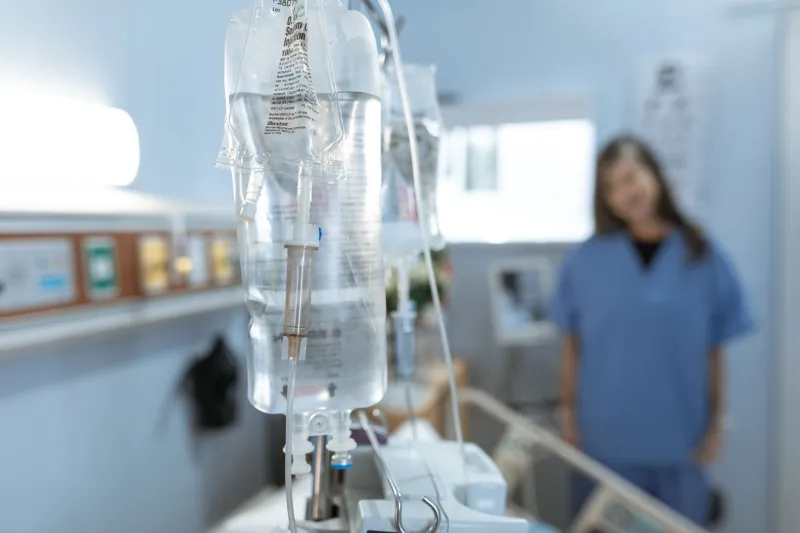
A liter of normal saline is cheap. A dose of vitamin B12 is not a major expense. Vitamin C, magnesium, and a basic B-complex can add a few dollars to a few tens of dollars depending on dose and sourcing. NAD+, glutathione, and certain amino acid blends cost more, sometimes a lot more, especially at higher doses. The difference between $89 and $399 often starts here: a simple hydration bag versus a multi-ingredient bag with larger doses.
But the bag is not the whole story. Sterile compounding, pharmacy licensing, quality testing, and proper storage all cost money. A clinic that uses a licensed compounding pharmacy and can show you exactly what is in the bag is paying for something real. A clinic that offers a proprietary blend with no dose listed is asking you to pay for a mystery.
The people in the room cost money, too
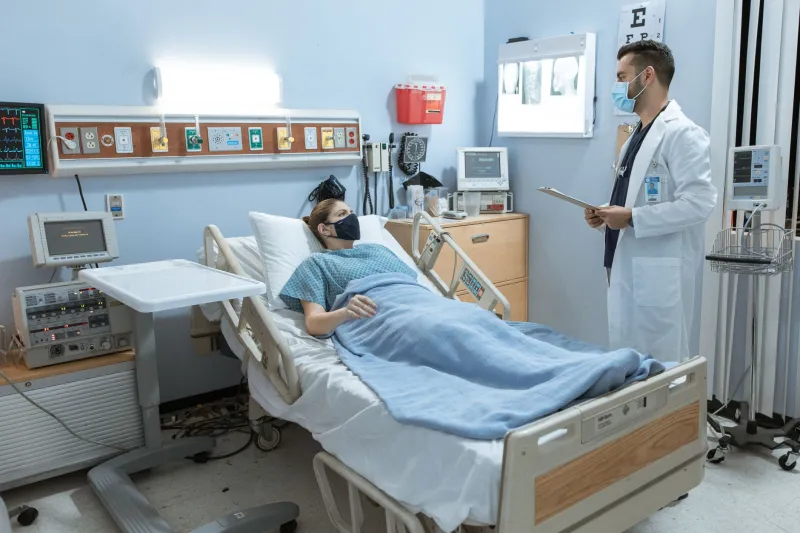
IV therapy is not just a bag hanging from a pole. A registered nurse has to assess you, start the line, monitor you, and know what to do if something goes wrong. That nurse needs standing orders, a medical director, charting, and a plan for adverse reactions. The clinic needs a licensed professional to decide who should not get a drip, and to say no when the answer is no.
Some clinics staff one RN for a small number of chairs. Others run a high-volume operation with a leaner ratio. Some have a physician or nurse practitioner on site or on call. Others rely on a distant medical director who reviews protocols. All of that affects cost. It also affects the kind of care you receive.
The room, the chair, and the paperwork
Rent in a nice neighborhood, comfortable recliners, privacy curtains, heating and cooling, cleaning supplies, sharps disposal, electronic charts, malpractice insurance, and compliance with state rules all add up. So does marketing. A clinic that spends heavily on Instagram ads, influencer partnerships, and a spa-like waiting room has to recover those costs somewhere.
None of that is automatically bad. A clean, calm clinic with good infection control is worth paying for. The question is whether you are paying for safety and service or mostly for ambiance.
Where a fair premium ends and a fancy markup begins
A fair premium usually buys something you can name: a specific dose of a specific ingredient, a licensed pharmacy, an RN who assesses you, a medical director who oversees protocols, a clean treatment area, and a clear plan for emergencies.
A fancy markup often buys something vaguer: a detox claim, an immune boost promise, a celebrity endorsement, or a menu name that sounds like a sci-fi movie. That does not mean the drip is harmful. It means the price is not telling you much.
Questions to ask before you book
Ask these before you hand over a card:
- Who will assess me before the drip, and what are their credentials?
- What exactly is in this bag, including doses and units?
- Is the product made by a licensed pharmacy, and can you tell me which one?
- Is there a medical director or supervising clinician, and how do they handle adverse reactions?
- Are there extra fees for consultation, add-ons, or cancellation?
- What is the nurse-to-patient ratio, and who monitors me during the infusion?
- How do you clean the chairs and equipment between patients?
- What symptoms would make you turn me away or send me to a doctor?
If the answers are clear, you can compare value. If the answers are shrugs, the price tag is doing the talking.
Red flags that a high price is not buying better care
Watch for a menu that lists ingredients without doses. Watch for promises to prevent or cure illness. Watch for no medical intake beyond a clipboard waiver. Watch for pressure to upgrade to a bigger bag before you have even sat down. Watch for a clinic that cannot name its medical director or explain its emergency plan. And watch for a fancy space that feels more like a bar than a clinical setting, especially if you see sloppy hand hygiene or reused supplies.
A $399 drip is not automatically better than an $89 drip, and an $89 drip is not automatically a bargain. The fair comparison is dose for dose, safety for safety, and oversight for oversight. Ask what you are paying for. The answer should be specific.
The bottom line
Price in IV therapy is a signal, not a guarantee. A higher price can reflect expensive ingredients, more clinician time, and a safer setup. It can also reflect a nicer couch and a clever name. Before you book, look past the menu and check the bag, the nurse, the medical oversight, and the hygiene. That is where the real value lives.