The Drip Doesn't Come With a Countdown: What Half-Lives Mean for Your IV Appointment
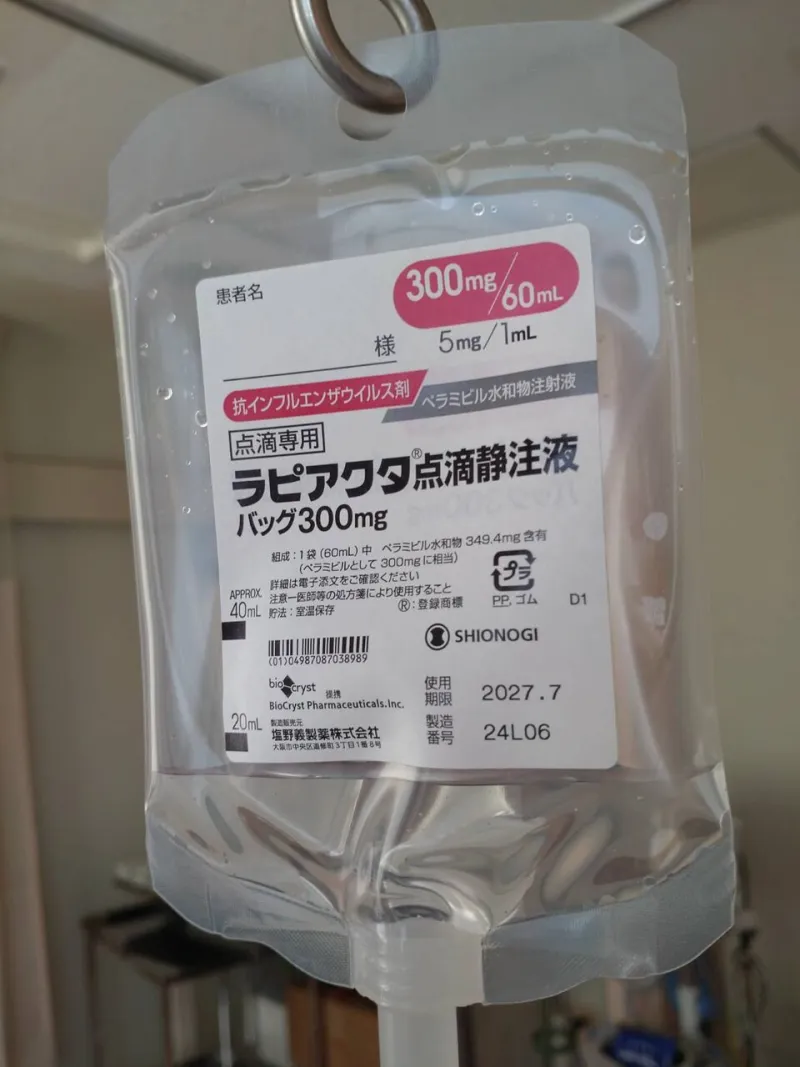
Photo: Hanabishi, CC0, via Wikimedia Commons
You have probably seen the phrase on a clinic menu or a social post: one drip can keep you going for weeks. It sounds clean, reassuring, and very marketable. It is also a little like saying one good night of sleep will carry you through the month. Sleep helps—but the body keeps moving, using, storing, and clearing things as it goes. IV nutrients work in a similar way. They can be useful, but they do not come with a countdown timer.
At Infusion Wellness, we think the better question is not “How long does a drip last?” but “What is actually happening after the bag is empty?” That question gets you closer to realistic expectations and smarter conversations with your clinician.
Half-Life Is a Clock, Not a Calendar
Half-life is the time it takes for the amount of a substance in your bloodstream to drop by half. It is a useful measurement, but it is not a schedule for how you will feel. A nutrient can leave the bloodstream quickly and still be used by tissues. Another can linger in the blood but not produce the noticeable “boost” people expect.
Vitamin C, for example, is water-soluble. Your body absorbs what it can use and sends the rest to the kidneys. B12 has a long half-life in the body, but that does not mean a single injection or drip gives everyone weeks of steady energy. Magnesium is another good example: serum magnesium is not the same as total body magnesium, so a blood level can look fine while your diet and stores tell a different story.
In other words, half-life is one piece of the puzzle. It is not the whole picture, and it is definitely not a promise printed on a menu.
Dose Is the First Variable
A 500 mg dose and a 5,000 mg dose are not the same event. A larger bag can create a bigger short-term spike in blood levels, but it does not automatically create a longer runway. For many water-soluble vitamins, the kidneys will clear excess fairly efficiently. That is not a flaw in the drip—it is normal physiology.
This is why “more” is not always “longer.” It can be “faster through the system” or “more likely to be excreted.” The right dose depends on why you are there, what your labs show, what you eat, what medications you take, and how your body handles fluids. A drip bar menu cannot answer all of that for you.
Your Baseline Is the Hidden Setting
If someone is genuinely low in a nutrient, repletion can feel noticeable. If someone is already replete, the same drip may feel like very little—or like nothing at all. Neither response is wrong. They are just different starting points.
Baseline deficiency is why two people can get the same bag and tell completely different stories afterward. Diet, absorption, gut health, medications, alcohol use, pregnancy, age, and chronic conditions all shape the picture. So does sleep, stress, and how much you have eaten that day.
This is also why a drip is not a substitute for a diagnosis. If you are persistently fatigued, dizzy, or run down, the useful move is to find out why—not to keep buying bags and hoping the feeling sticks.
Storage and Clearance: The Body's Bouncers
Some nutrients are stored in the body, especially fat-soluble vitamins like A, D, E, and K. Others are water-soluble and leave more readily. Your kidneys play a major role in clearance, and so does your hydration status, urine output, and overall kidney function. Liver metabolism matters too, along with age, activity level, and genetics.
This is not meant to make the body sound complicated for the sake of it. It is meant to explain why a clinic cannot honestly promise a universal duration. Your body is doing real work after the appointment—distributing, using, storing, and clearing. The drip starts the process. It does not pause biology.
What “Feeling the Effects” Actually Means
Feeling good after a drip is real. It is also not a lab value. Some people notice hydration, relaxation, a pause in their day, or the simple relief of doing something for themselves. Those effects matter. But they are not the same as a measured nutrient level, and they do not prove that a bag will last a specific number of weeks.
A useful approach is to track what you notice without overinterpreting it. Energy, mood, sleep, soreness, and focus are worth writing down. So is the timing. If you feel great for two days and then return to baseline, that is information. It does not mean the drip failed. It means your body moved on.
Better Questions for the Front Desk
If you want a clearer picture, ask questions that go beyond the menu. What is in this bag, and at what dose? Is this based on my labs or on a general package? How quickly might I notice something, and what would be a reason to call the clinic? How often do you recommend repeating this, and why? What would make you tell me not to come back weekly?
Those questions are not suspicious. They are smart. A good clinic should welcome them and give you plain-language answers.
The Repeat-Visit Reality
Repeat visits can make sense for some people and not for others. The right schedule depends on the goal, the nutrient, your baseline, your health history, and what your clinician recommends. A countdown on a menu is not a personalized plan. If you have kidney disease, heart failure, pregnancy, or other significant health conditions, that conversation needs to happen with a qualified clinician—not with a scroll through social media.
The most honest answer to “How long does a drip last?” is that it depends. It depends on the dose, the nutrient, your starting point, your storage capacity, your kidneys, your metabolism, and what you mean by “last.” That is less tidy than a slogan. It is also more useful.
At Infusion Wellness, we would rather you leave with realistic expectations than a countdown you cannot verify. A drip can be part of a wellness routine. It is not a timer, and your body is not a vending machine. The best plan is a conversation—not a guarantee.