Your First IV Drip, From Door to Done: A Calm Walkthrough of the Chair
If you’ve never had an IV drip, the imagination can run a little wild. Maybe you picture a hospital room, a stern clipboard, and a needle the size of a coffee stirrer. The reality of a wellness IV appointment is usually much calmer. You sit in a comfortable chair, a clinician checks you in, and a bag of fluids does its slow, steady thing while you scroll, read, or close your eyes.
Still, “usually calm” isn’t the same as “you know exactly what to expect.” So here’s a minute-by-minute walkthrough of a first visit—written for the questions people sometimes feel silly asking.
Minute 0–10: Arrival and intake
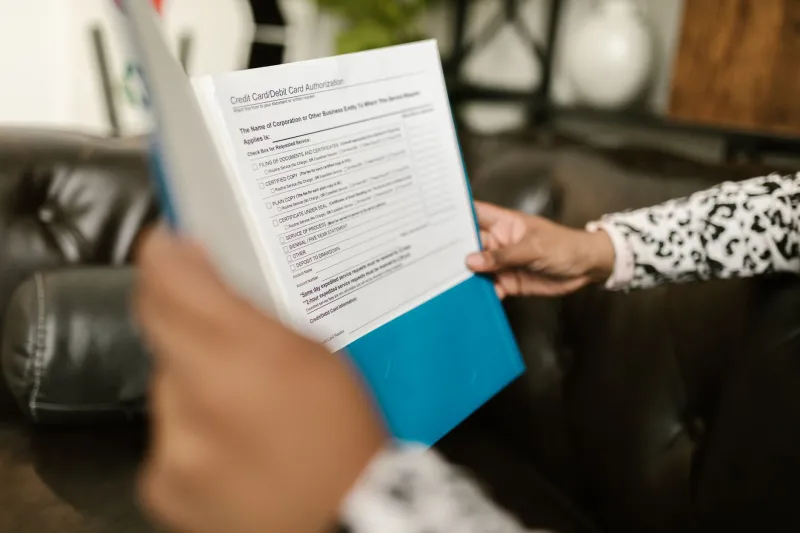
You walk in, give your name, and fill out or confirm some paperwork. Expect questions about your health history, medications, allergies, and why you’re there. Be honest. “I’m here because I’m exhausted” is a valid answer, but so is “I had a stomach bug and I’m still feeling dehydrated.” The clinician uses this information to decide whether an IV is appropriate and which fluids or additives make sense.
You’ll likely get your blood pressure, heart rate, and maybe temperature checked. This is routine. It also gives the team a baseline before anything goes into your body.
Minute 10–15: The vein check
A nurse or clinician will look at your arms to find a good vein. You may be asked to make a fist, let your arm hang down, or squeeze a stress ball. They might tap the inside of your elbow or the back of your hand. This is not a judgment of your worth as a person. Some people have easy veins; some don’t. Hydration, temperature, and genetics all play a role.
If needles make you nervous, say so now. You don’t have to be tough. A good clinician will talk you through the process, let you look away, and maybe ask you to take a deep breath. Some people prefer to watch; some prefer to stare at a spot on the wall. Both are fine.
Minute 15–20: The stick
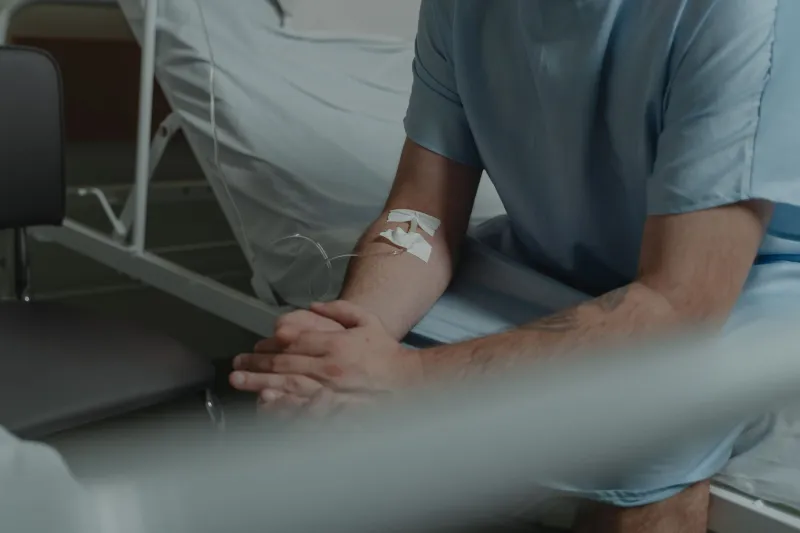
Here’s the part everyone asks about: does it hurt? Most people describe a quick pinch or a small sting, followed by a little pressure. It’s not usually a long, dramatic event. The clinician cleans the skin, applies a tourniquet, inserts the IV catheter, and secures it with tape or a clear dressing. Once it’s in, the needle is out—what stays in your arm is a soft, flexible catheter.
If you feel lightheaded or woozy, say something immediately. Don’t wait until you’re sliding down the chair. The team can tilt you back, cool you down, and adjust. Needle anxiety is common, and clinics see it all the time.
Minute 20–25: The cold rush
The fluids start flowing. Depending on the bag, you may feel a cool sensation moving up your arm. Some people feel a little chilly; others barely notice. This is normal. If you’re cold, ask for a blanket. If the site starts to sting, burn, or swell, speak up right away. A little coolness is expected; pain or swelling is a reason to get the clinician’s attention.
This is also a good moment to check your phone, send one last text, or settle in. The drip is not a race. It’s supposed to be slow.
Minute 25–55: The drip itself
Most wellness IVs take somewhere between 30 and 60 minutes, though some can run longer depending on what’s in the bag. You’ll sit in a chair, maybe with a pillow and a blanket, and the pump or gravity drip will do its thing. You can read, listen to a podcast, answer emails, or do absolutely nothing. The clinician will check on you periodically.
What about bathroom breaks? This is one of the most common unspoken worries. Ask before you start where the restroom is, and go beforehand. If you need to go during the drip, ask for help. You’ll usually wheel the IV pole with you or have the line managed safely. It’s not a big deal, and you won’t be the first person who needed to go.
What if you feel lightheaded, nauseous, or just “off”? Tell someone. Don’t tough it out. The team can slow the drip, stop it, or check your vitals. That’s what they’re there for.
Minute 55–60: The wrap-up
The clinician removes the IV catheter, applies pressure, and covers the site with a small bandage. You may feel a little sleepy or pleasantly relaxed. Ask about aftercare: Can you drive? Should you eat? Are there any warning signs to watch for?
Most people can go about their day, but it’s smart to take it easy if you feel wobbly. Drink water, eat something if you haven’t, and don’t schedule a hard workout immediately after your first drip unless your clinician says it’s fine.
The questions people don’t always ask
Will I be alone? No. A clinician is nearby and checks on you. You’re not locked in a closet with a bag of fluids.
Can I bring a friend? Usually yes, but ask the clinic first. Some spaces have limited room.
What should I wear? Short sleeves or loose sleeves make the vein check easier. A comfortable outfit is never a bad idea.
What if I’m embarrassed about my veins? Don’t be. Clinicians see every kind of arm. If a vein is hard to find, they may try a different spot or use a warm pack.
What if I panic? Say so. You can pause, breathe, or stop. A reputable clinic will not pressure you to continue.
The bottom line
Your first IV drip is usually less dramatic than the internet makes it sound. It’s a supervised appointment with paperwork, a vein check, a quick stick, a cool rush, and a quiet stretch of sitting. The best thing you can do is speak up—about nerves, bathroom breaks, coldness, or anything that feels wrong. A good clinic would rather hear from you than have you white-knuckle the armrest. Feel restored, one drip at a time—but only at your own pace.