The IV Drip Menu, Decoded: What B12, C, Magnesium, and NAD+ Really Do
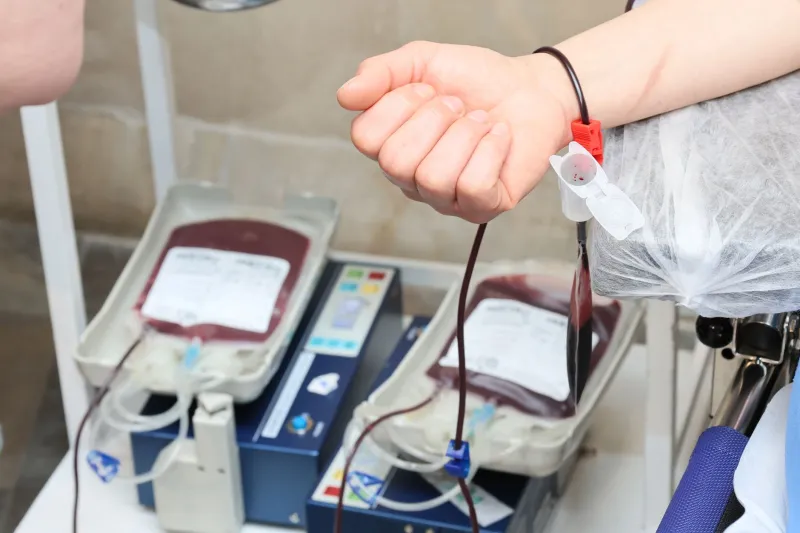
IV drip menus can feel like a supplement aisle crashed into a spa brochure. You see names like B-complex, glutathione, and NAD+ lined up next to promises about energy, glow, and recovery. Some of those ingredients have solid clinical uses. Others are marketed way ahead of the evidence. This guide is here to help you read the menu like a savvy consumer—not a medical textbook—so you can ask better questions before you book.
First, a quick reality check on 'evidence'
When we say evidence is strong, we mean the ingredient has been studied for a specific medical use and has a clear track record—think treating a diagnosed vitamin deficiency or managing dehydration. Thin evidence means small studies, mixed results, or research that does not quite match the wellness claim on the menu. Missing evidence means the claim is mostly marketing.
IV delivery is not automatically better than oral intake. It bypasses digestion, which can matter in some clinical situations, but it also comes with risks: infection, vein irritation, allergic reactions, and fluid or electrolyte overload. A good clinic will talk about those risks without acting like you are ruining the vibe.
B-complex: the energy shot with a caveat
B vitamins—especially B12—are often marketed for energy, focus, and hangover recovery. The strongest evidence is for people with a diagnosed B12 deficiency, which can cause fatigue, anemia, and nerve symptoms. For someone with normal levels, a B12 injection is unlikely to be a magic energy switch. B vitamins are water-soluble, so excess amounts are largely excreted in urine, but that does not mean megadoses are risk-free or necessary.
Ask: Which B vitamins are in the bag, at what doses, and why? If the answer is 'everyone gets this for energy,' that is a clue the menu is not very personalized.
Vitamin C: immunity claims vs. actual data
Vitamin C has legitimate uses—scurvy treatment, some clinical nutrition situations, and certain hospital protocols. IV high-dose vitamin C is also being studied in cancer care, but that is not the same as a wellness drip for 'immunity.' For most healthy adults, oral vitamin C from food or a supplement is enough. High-dose IV vitamin C can cause gastrointestinal upset and may be risky for people with kidney disease or certain blood conditions.
Ask: What dose is being used, and what screening checks are done first? A clinic that shrugs at kidney history is not one to trust with a high-dose bag.
Magnesium: relaxation, migraines, and hype
Magnesium is having a moment. It is marketed for sleep, cramps, stress, and recovery. The evidence is strongest in clinical settings—such as IV magnesium for certain migraine attacks or severe deficiency—and thinner for general 'relaxation' drips. Magnesium can lower blood pressure, cause flushing, and lead to fatigue or nausea. People with kidney problems need extra caution because magnesium is cleared by the kidneys.
Ask: Is this for a specific symptom or just a menu add-on? Will anyone check my kidney function or medications?
Glutathione: the 'detox' darling
Glutathione is an antioxidant your body makes on its own. IV glutathione is often marketed for detox, skin brightening, and anti-aging. The evidence for those wellness claims is thin, and 'detox' is a vague word that can mean almost anything. Oral glutathione also has poor absorption, which is why clinics push IV—but poor absorption does not prove the IV version delivers the promised result.
Ask: What exactly is being detoxed, and what outcome is being measured? If the answer stays fuzzy, keep your wallet closed.
Amino acids: recovery or just expensive broth?
Amino acid infusions are used in clinical nutrition for people who cannot eat or absorb enough protein. In wellness settings, they are marketed for muscle recovery, energy, and performance. The evidence for those claims is mixed and often based on oral protein or amino acid intake, not IV bags. For most people, food and a protein-rich snack after exercise do more than an expensive drip.
Ask: How does this fit my diet and health history? Are there risks if I have liver or kidney issues?
NAD+: the buzzy one
NAD+ is involved in cellular energy metabolism, which is why it gets marketed for anti-aging, brain health, and fatigue. The science is early. There are small studies and a lot of animal research, but not enough to say IV NAD+ reverses aging or reliably boosts energy in healthy people. Treatments can be expensive and may cause flushing, nausea, or chest tightness during the infusion.
Ask: What does the clinician say the realistic benefit is, and what is the plan if I feel unwell during the drip? 'It is anti-aging' is not a sufficient answer.
How to read a drip menu without getting sold
Before you book, ask these questions:
- What is in the bag, including doses and the form of each ingredient?
- What specific problem is this supposed to help, and what evidence supports it?
- Who evaluates me before the drip—and who is on site during it?
- What screening is done for allergies, kidney disease, heart conditions, pregnancy, and medications?
- Where and how are the bags compounded? Are they single-use and properly stored?
- What are the total costs, including consult fees and add-ons?
- What are the common side effects and signs I should stop and get help?
A professional clinic will not flinch at these questions. It will have clear answers, written policies, and a clinician who knows why each ingredient is in the bag.
The bottom line
IV vitamin drips can be legitimate for dehydration and diagnosed deficiencies. They are not a shortcut to perfect health, and the menu is not a personality quiz. Treat the ingredient list as a conversation starter. If a clinic cannot explain what is in the bag in plain English—and back it up with a sensible plan—you have your answer.