The Parking Lot Pause: Planning a Safe Exit After Your IV Appointment

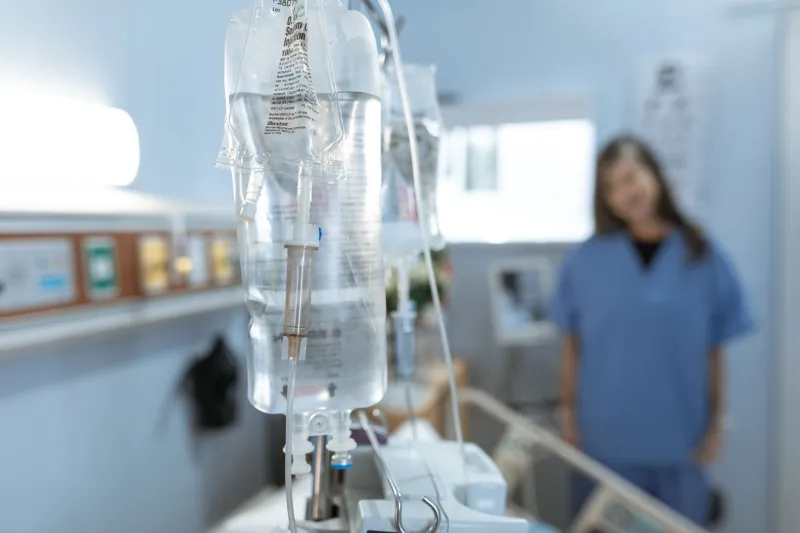
When the drip bag empties, the appointment is not quite over. The last part of IV therapy happens outside the treatment chair: standing up, collecting your things, walking through the lobby, and getting home without a wobbly detour. Most people leave feeling fine. Some feel a little warm, floaty, or sleepy for a bit. A smaller group needs extra time and a ride. The difference usually comes down to the drip, the dose, and how your body responds that day. Planning your exit is not a sign of weakness. It is just good logistics.
Why the first hour deserves a plan
IV fluids can shift blood volume and electrolyte balance. High-dose magnesium can relax blood vessels and leave some people feeling lightheaded. NAD+ can feel intense for a short while, and high-dose vitamin C can cause flushing. A large saline bolus can make you feel cold, full, or ready for the restroom. None of this automatically means something is wrong. But it does mean the parking lot is not the best place to discover you feel off.
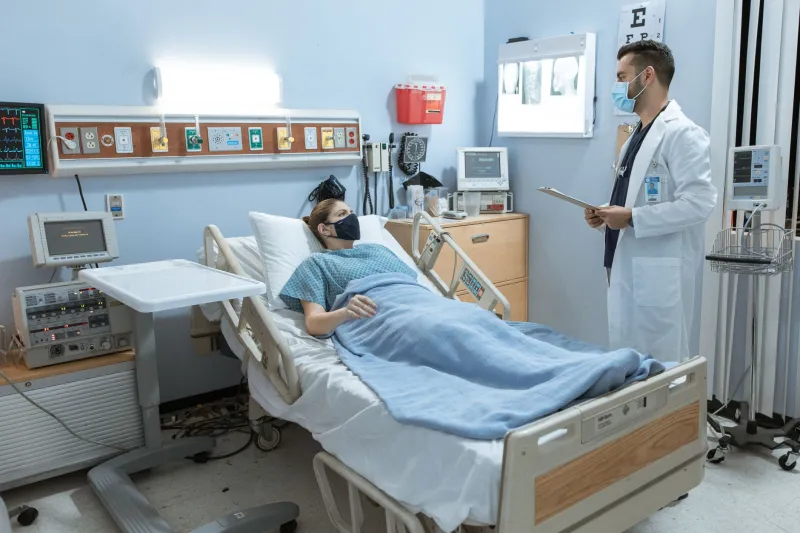
A good clinic will tell you what to expect for the specific drip you booked. If the guidance is vague, ask more questions before you sit down. The goal is not to turn a wellness appointment into a medical drama. It is simply to match your ride plan to the drip you are getting.
Before you book, ask two questions
Does this clinic recommend a driver for this drip? And what should I expect afterward? Those two questions cover a lot of ground. NAD+, high-dose magnesium, or large fluid bags often come with a stronger recommendation to arrange a ride. If you are stacking add-ons or trying something new, be conservative. Ask whether you can stay longer if you feel unsure, and whether staff can check your blood pressure before you leave.
If you are visiting a clinic for the first time, mention any history of dizziness, fainting, low blood pressure, or reactions to IV therapy. Also mention medications that affect blood pressure or blood sugar. This is not about disqualifying yourself. It is about giving the clinical team the context to guide you well.
Eat first, but keep it simple
Unless your clinician told you to fast, arrive fed. A normal meal with some protein and carbs is usually more helpful than an empty stomach. Heavy, greasy food right before a drip can make queasiness worse, so keep it moderate. Hydrate with water in the hours before your appointment. Skip alcohol beforehand, since it can add to dehydration and lightheadedness. Caffeine is personal. If you normally drink coffee, a normal amount is unlikely to be the problem; a giant iced coffee on an empty stomach might be.
Bring a snack for afterward. A granola bar, crackers, or a banana in your bag is a small thing that makes the exit easier if your blood sugar dips or you feel shaky.
The lobby linger is not wasted time
Many clinics ask you to sit for 10 to 15 minutes after the needle comes out. Some suggest 20 to 30 minutes after NAD+ or high-dose magnesium. Use that time. Stand up slowly. Walk a few steps. Notice your balance, vision, and stomach. Use the restroom before you hit the road. If you feel flushed, tell the staff. They can recheck your blood pressure, give you water, or let you stay longer.
Do not treat the lobby as a countdown to your next errand. A short pause now can prevent a stressful stop on the shoulder later.
If you are driving yourself
Self-driving after IV therapy is reasonable for many simple hydration or vitamin drips, but only if the clinic says it is okay and you feel steady. Do a quick self-check. Can you stand without holding the wall? Is your vision clear? Do you feel drowsy, foggy, shaky, or queasy? If any answer is yes, wait. Do not push through because you have groceries to buy or a meeting to catch.
A charged phone and a rideshare app are cheap insurance. Even if you plan to drive, know your backup. If you feel worse once you are in the car, pull over somewhere safe and call the clinic. Do not try to tough out a long drive.
When to choose a driver or rideshare
Bring a driver if you are booked for NAD+, high-dose magnesium, a large fluid bolus, or a drip you have never tried. Choose a rideshare if you are alone and feel even slightly off. Wait inside the clinic until the car arrives, not on the curb. Ask staff to walk you out if you feel unsteady. If a friend is driving you, tell them to plan a buffer. Rushing the pickup adds pressure you do not need.
For anyone prone to motion sickness, sit in the front seat and keep a window cracked if possible. Bring a water bottle and take the ride slow. The point is to get home comfortably, not to prove you can handle a roller coaster.
Symptoms that mean stay put and speak up
Most post-drip sensations are mild and fade. Some are not. Stay in the clinic and ask for help if you have chest pain, trouble breathing, swelling in your throat, hives, fainting, confusion, a severe headache, repeated vomiting, or vision changes. Also speak up if the IV site is painful, swollen, or leaking. These are not drive-home-and-see symptoms. Clinic staff can assess you and call emergency services if needed. Do not get behind the wheel to save time.
If you are already home and symptoms worsen, call your clinic or seek urgent medical care. A little caution is not overreacting. It is just sensible follow-through.
A simple exit plan
Before the appointment, ask about a driver. Eat a normal meal. Drink water. Bring a snack. Plan a 20-minute buffer after the drip. Keep your phone charged. Know your backup ride. Stand slowly. Wait until you feel steady. And if something feels wrong, say so before you leave.
The bottom line
IV therapy can fit neatly into a busy day, but the exit deserves the same attention as the drip. The goal is not to scare anyone away from the chair. It is to make the hour after the infusion as calm as the hour in it. Get home safely, then let the treatment do its thing.