Before the Bag Goes Up: A Calm Guide to the Vitals Check at Your IV Clinic
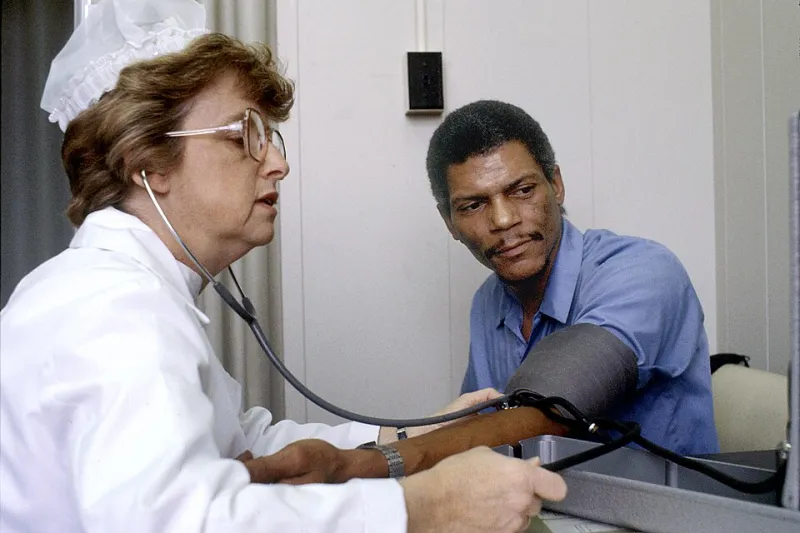
Photo: Linda Bartlett (Photographer), Public domain, via Wikimedia Commons
You settle into the chair, ready for a quiet hour and a drip. Then comes the familiar sequence: a cuff tightens around your arm, a clip goes on your finger, maybe a thermometer sweeps across your forehead. It can feel like a formality—one more box checked before the bag gets hung.
But those few minutes are doing real work. The vitals check is a quick snapshot of how your body is showing up today. It helps the clinic decide whether a drip is a reasonable idea right now, whether the plan should change, or whether you need a different kind of care altogether.
Here’s a plain-English tour of what each reading is for, and how to talk about it like a partner rather than a patient trying to self-diagnose.
Why the staff checks before anything is mixed
IV therapy is still a medical procedure, even when the setting feels calm and the menu sounds like a smoothie bar. Before anything is mixed or infused, the staff wants a baseline. That baseline includes blood pressure, heart rate, oxygen saturation, and temperature. Sometimes it includes weight, a finger stick, or questions about symptoms and medications.
One reading is rarely the whole story. A single high blood pressure number after a stressful commute is different from a high number plus a headache and blurred vision. A fast heart rate after climbing stairs is different from a fast heart rate while sitting still and feeling fluttery. The staff is looking at the numbers alongside your symptoms, your history, and what you tell them.
That’s why the check can feel casual but still matter. It’s not a report card. It’s a filter.
The cuff: blood pressure is context, not a verdict
The blood pressure cuff gives two numbers. The top number, systolic pressure, reflects the force when your heart pumps. The bottom number, diastolic pressure, reflects the pressure when your heart rests between beats. Both matter, and both can shift with nerves, caffeine, a full bladder, pain, or the fact that you rushed in from the parking lot.
A reading that’s higher than usual might lead the staff to wait a few minutes and check again. A reading that’s very high, especially with symptoms like a severe headache, chest pain, or vision changes, can pause the appointment. Low blood pressure with dizziness or lightheadedness can do the same. The clinic may slow things down, change the fluids or additives, or ask you to follow up with your primary care provider.
White-coat nerves are real. If you know your blood pressure tends to spike in medical settings, say so. Ask for a quiet recheck after a few breaths. Tell them if you had coffee, a salty lunch, or a stressful morning. You don’t need to diagnose yourself—just give them the context they need.
The clip: oxygen and heart rate tell a story together
The pulse oximeter clips onto your finger and estimates how much oxygen your red blood cells are carrying. It also displays your heart rate. Cold hands, dark nail polish, movement, and poor circulation can sometimes affect the reading, which is why the staff may try a different finger or ask you to warm your hands.
Oxygen saturation is usually a steady number in healthy adults. If it’s low, or if you feel short of breath, the clinic may pause the drip and direct you to medical care. That’s not an overreaction. An IV bar is not the place to sort out unexplained breathing problems.
Heart rate is just as conversational. It can rise with nerves, caffeine, dehydration, fever, pain, or simply being in a new place. A resting heart rate that’s very fast, very slow, or irregular may prompt a recheck. If you feel palpitations, chest pain, or faintness, speak up immediately—even if the clip says your oxygen is fine.
The thermometer: fever changes the conversation
A temperature check is quick, but it answers an important question: is your body already busy fighting something? A fever can mean infection or another illness. In that case, the clinic may defer the drip and encourage you to see a doctor. That’s not a judgment about your wellness goals. It’s a way to avoid layering a non-urgent treatment on top of an active medical issue.
Recent exercise, a hot car, or a scorching day can nudge a temperature up slightly. Mention anything that might explain it. If you’ve had chills, vomiting, a new cough, or a known exposure to someone sick, say that too. Small details help the staff interpret the number correctly.
The questions behind the numbers
Vitals are only part of the pre-drip picture. The staff may ask about medications, supplements, allergies, pregnancy, recent lab work, alcohol use, sleep, and when you last ate or drank. These questions aren’t nosy. They help the clinic choose the right fluid, avoid interactions, and spot red flags.
Be especially honest about blood pressure medications, blood thinners, diuretics, and anything you take for diabetes. Don’t stop prescribed medications on your own before an appointment unless your own clinician told you to. If you’re unsure, bring the list and ask.
When a reading changes the plan
A pre-drip vital can pause or change treatment in several ways. Very high blood pressure, low blood pressure with symptoms, a fever, low oxygen, an irregular heartbeat, or signs of an active infection may lead the clinic to wait, recheck, adjust the drip, or refer you out. Sometimes the change is small—a slower infusion rate or a different bag. Sometimes the safest move is no drip today.
None of that means you failed the check. It means the staff is using the information the way it’s meant to be used.
How to speak up without self-diagnosing
You don’t need to interpret every number. You do need to report how you feel. Tell the staff if you’re nervous, if you’re cold, if you had caffeine, if you feel dizzy, short of breath, feverish, or just “off.” Ask them to explain what they’re seeing and what it means for your appointment.
A smartwatch can be a useful prompt, but it isn’t a diagnosis. If your device says your heart rate is high, use that as a reason to mention symptoms—not as a reason to panic or self-treat.
The bottom line
The cuff, the clip, and the thermometer are not there to grade you. They’re there to keep the plan honest. A good IV clinic uses those readings to start a conversation, not to rush past one. So ask questions, give context, and speak up about symptoms. Feeling restored, one drip at a time, works best when the basics are checked first.